NEW DELHI – Commuters in the National Capital Region (NCR) are set to face significant travel disruptions starting today, May 21, as a three-day strike by taxi and commercial vehicle drivers gets underway. The protest, scheduled to continue through Saturday, May 23, aims to pressure the government into addressing long-standing grievances regarding stagnant fares and rising operational costs.
Reasons Behind the Protest
The “Chalak Shakti Union,” which organized the strike in support of a nationwide movement by the All India Motor Transport Congress, has cited severe economic hardship as the primary driver of their action. In a formal communication to Delhi’s top administrative and transport officials, the union highlighted several critical issues:
- Stagnant Fares: Despite nearly 15 years passing, taxi fares in the region have not seen a significant revision, even as inflation has soared.
- Rising Costs: Drivers are struggling to cope with the steep, persistent increase in fuel prices (CNG, petrol, and diesel), alongside rising costs for vehicle maintenance, insurance, permits, and mandatory fitness certifications.
- Aggregator Policies: The union has leveled serious allegations of economic exploitation against app-based cab aggregators like Ola, Uber, and Rapido, claiming that their arbitrary operating policies are crippling the livelihoods of individual drivers.
The union has warned that failure to initiate immediate fare revisions and policy changes to curb exploitation could lead to an intensification of the protest.
Limited Impact Expected on Auto Services
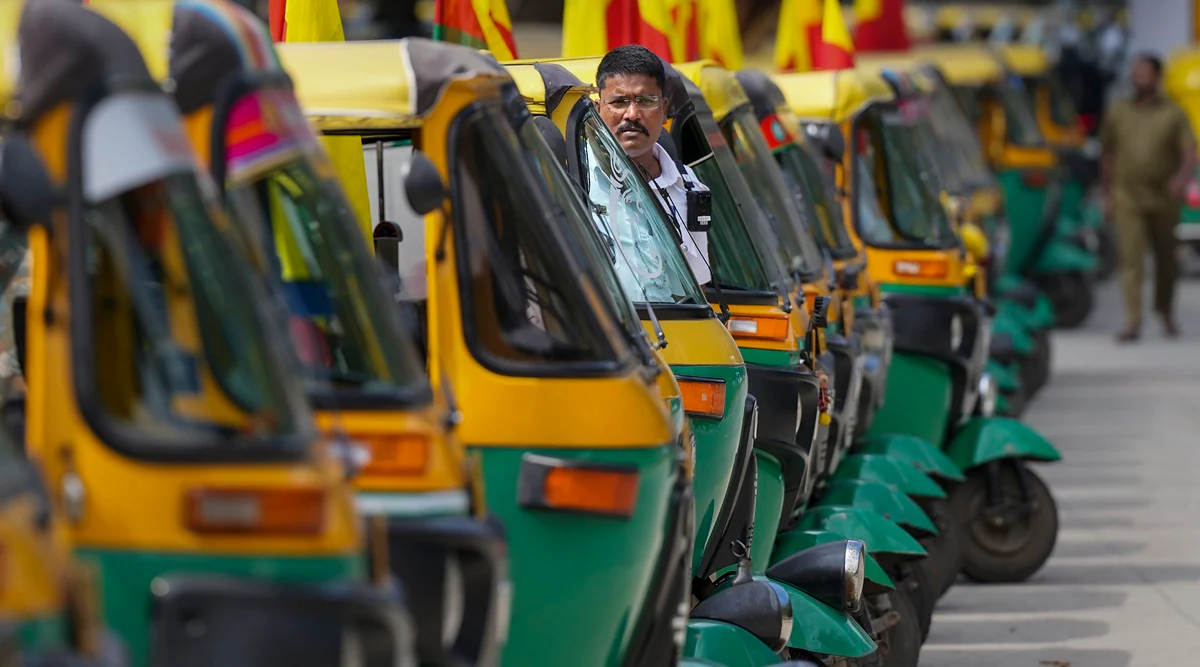
While the protest is expected to affect many taxi services, not all transport unions are participating. Rajendra Soni, general secretary of the Delhi Auto Rickshaw Sangh, clarified that their services would remain unaffected.
“The issues concerning goods carrier vehicles have no connection with auto and taxi drivers,” Soni stated, noting that several major unions—including the Delhi Pradesh Taxi Union and the Auto Drivers Welfare Sangh Delhi—have distanced themselves from the strike. Consequently, auto-rickshaw services are expected to remain operational at key transit points, including railway stations and bus terminals.
The Backdrop: Surging Fuel Costs
The strike comes amid a recent sharp spike in fuel prices. Following two hikes in less than a week, petrol prices in Delhi have climbed to Rs 98.64 per litre, while diesel is currently retailing at Rs 91.58 per litre. These increases have further exacerbated the financial pressure on the transport sector, fueling the demand for an urgent government intervention to recalibrate fare structures.